

Last Wednesday I walked into DiHub in Mrieħel for the Stripe Malta Community’s Entrepreneurship 101 event. Three panels, four hours, and a room full of founders at various stages of figuring it out. The organisers from Elevate AI promised no fluff and no corporate jargon. They delivered.
I took notes throughout. Not polished summaries, just raw takeaways from each panel, the kind of things that are easy to forget once you’re back at your desk the next morning. Here’s what stuck with me.
The Foundation: Getting off the ground
The first panel cut straight to the fundamentals. Not the “how do I build an app” kind of fundamentals, but the harder questions that most founders avoid early on.
The strongest takeaway from the opening panel: validate the problem with real people before you write a single line of code. Build a solution for a real problem, not a problem for your solution.
Skin in the game matters. The panel pushed hard on this. How much are the founders prepared to give? Not just money: time, reputation, comfort. Investors and partners look at this before they look at your pitch deck. If the founders aren’t all in, why should anyone else be?
Purpose has to be long-lasting. Several panellists made the same point from different angles: if you’re building something just to sell it in two years, your decision-making will be short-term and your team will feel it. The businesses that survive in Malta are the ones where the founders genuinely care about the problem they’re solving.
Your values have to align with the business. This sounds obvious until it isn’t. Do your personal values match what the business requires? Do they match your co-founder’s? These misalignments don’t surface on day one. They surface at month eighteen, when things get hard.
What changes once my idea exists? What impact can I bring? The question every founder should answer before they start building.
Lifestyle preparation is real. One panellist was refreshingly honest: prepare yourself for an entrepreneur lifestyle. The balance between life and work doesn’t find itself. You have to design it, and redesign it, constantly.
Founder image matters more than you think. Not personal branding in the Instagram sense. More like: are you someone people want to back? Do you show up prepared? Do you follow through? Malta is a small market. Your reputation travels faster than your product.
The Build: Entities, mentors, and support structures
The second panel shifted to the practical side. You have an idea, maybe some traction. Now what?
Business first, always. Before you think about grants or investors, think about whether the business model works. Revenue solves most problems that funding only delays.
Mentors change the trajectory. Every panellist who had scaled a company credited a mentor. Not an advisor on paper. Someone who picks up the phone, tells you when you’re wrong, and opens doors you didn’t know existed.
One resource that came up was hpcmt.gov, the High Performance Computing facility in Malta. If your startup involves data processing, AI model training, or computational workloads, this is publicly funded infrastructure that most founders don’t know exists.
The Scale: From traction to exit
The third panel was the most nuanced. Scaling is where the real complexity lives, and the panellists didn’t shy away from it.
Prepare a central document repository early. This sounds like admin, and it is. But every founder who has been through due diligence will tell you the same thing: the companies that have their documents organised from day one close deals faster. Contracts, financials, IP assignments, board minutes: centralise them now, not when an investor asks.
Structure for exit from day one. Even if you never plan to sell. Clean corporate structure, clear equity splits, proper shareholder agreements. These aren’t just for exits; they protect you from disputes that kill companies long before any exit conversation happens.
Does your investor have smart money? Money is money, but the right investor brings more than capital. Introductions, operational experience, sector expertise. One panellist put it bluntly: the wrong investor at the right valuation is still the wrong investor.
Bootstrapping is always an option. The panel pushed back against the narrative that you need funding to start. Some of the strongest businesses in Malta were bootstrapped. It’s slower, but you keep control and you’re forced to find revenue early, which is often the healthiest pressure a startup can have.
Track the right metrics. Scaling means selling more, yes. But it also means knowing which numbers actually matter for your business. Vanity metrics (downloads, page views, follower counts) are not the ones investors ask about. They want to see unit economics, retention, and margin.
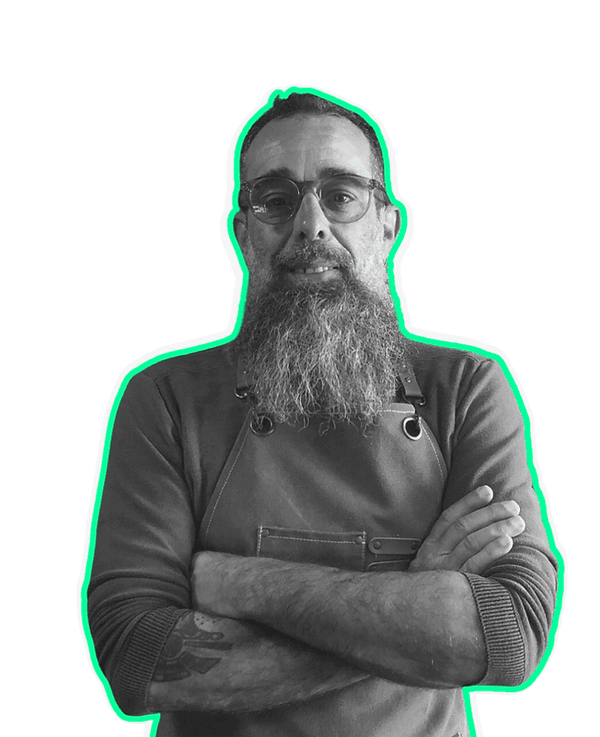
startups advised by Dr. Arndt Schwaiger on business models and growth strategy since 2008
Founder and investor alignment on exit. One of the sharpest points from the panel: are the founders and investors aligned about if and when they will sell? This conversation needs to happen before the term sheet is signed, not after.
Encouraging locals to invest
One thread ran through all three panels that I want to call out separately: the importance of encouraging Maltese investors to back local ideas.
It’s not just about funding. Equity arrangements and advisory fee structures can work for founders who aren’t ready for traditional investment. The ecosystem needs more local capital flowing into local startups, and it needs more investors who understand that backing a company isn’t just writing a cheque; it’s committing time, network, and expertise.
Go deeper: Dr. Arndt Schwaiger’s BMDNA Masterclass
One of the panellists at the event was Dr. Arndt Schwaiger, an entrepreneur, business angel, and advisor to over 600 startups since 2008. If the scaling panel left you wanting more, his free masterclass on YouTube is worth your time.
The masterclass covers his Business Model DNA (BMDNA) framework: how to identify the mechanism that drives your specific business model, set the right goals, define the metrics that actually matter, and assess where you stand today. It goes deep on pivoting and optimising using BMDNA as your guide, building a management dashboard around your core metrics, and making evidence-based cases to yourself and investors for growth and scaling strategies.
It’s practical, structured, and directly relevant to the kind of questions that came up at DiHub. A genuine thank you to Dr. Schwaiger for putting this content online and making it freely available.
Dr. Arndt Schwaiger’s BMDNA Masterclass: arndtschwaiger.com | LinkedIn
Why this matters for Malta’s ecosystem
What struck me most about this event was the spirit in the room. Founders, mentors, investors, service providers: all showing up for each other. Nobody was competing. Everyone was sharing what they’d learned so the next person wouldn’t have to learn it the hard way.
That’s what a healthy ecosystem looks like. When we stop treating business as a zero-sum game and start seeing founders, advisors, and even competitors as part of the same interconnected whole, everyone grows faster. The Stripe Malta Community and Elevate AI understood this, and the event reflected it.
DiHub continues to prove its worth as a space where these conversations can happen. And the founders who showed up on a Wednesday afternoon, some with ideas, some already building, are the ones who will shape what Malta’s tech scene looks like in five years.
If you’re building something in Malta and you’re not tapped into these communities, start now. The next event is already being planned.